Galvanized vs Aluminized vs ZAM Steel — The Complete Comparison Guide
- Share
- publisher
- Yilia
- Issue Time
- Mar 3,2026
Summary
Choosing the right coated steel is not just a purchasing decision — it directly impacts project lifespan, maintenance costs, structural safety, and total lifecycle value.
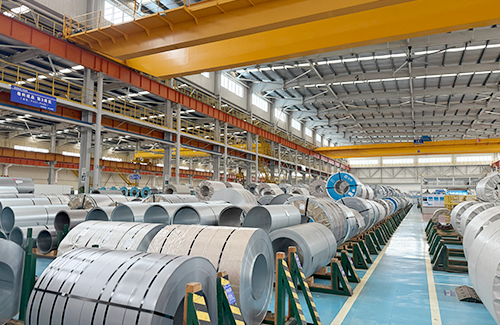
Galvanized vs aluminized vs ZAM steel: which coating should you choose?
Global steel buyers work with three dominant hot-dip coating systems. Each one solves a different problem, and the wrong choice shows up years later as rust, coating burn-off or unnecessary cost. This guide compares coating structure, temperature limits, corrosion life and application fit so you can specify with confidence.
What is galvanized steel (GI) and what is it best at?
Typical coating designations follow ASTM A653 or EN 10346 (Z-coatings, e.g. Z120–Z275 g/m²). Zinc's weakness is temperature: above roughly 200°C the coating starts to degrade, and prolonged exposure above 315°C volatilizes it, leaving bare steel.
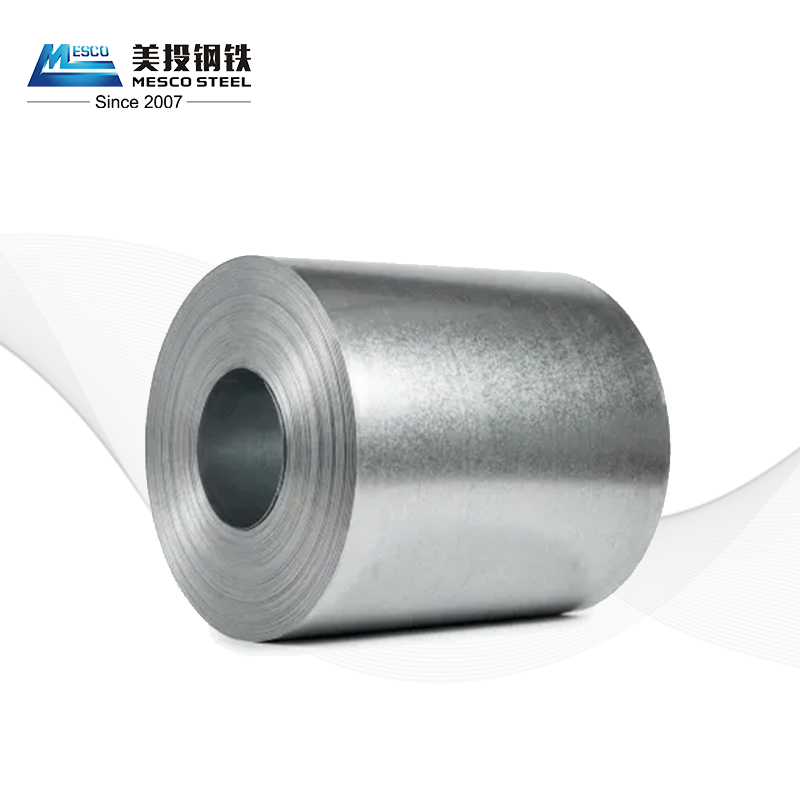
What is aluminized steel and when should you specify it?
The silicon addition is what makes the coating work: it suppresses brittle iron-aluminum intermetallic growth at the interface, which improves adhesion and formability. In dry heat it outperforms galvanized steel by a wide margin; in wet, chloride-rich or cut-edge-exposed conditions, its protection depends on coating weight and edge treatment.
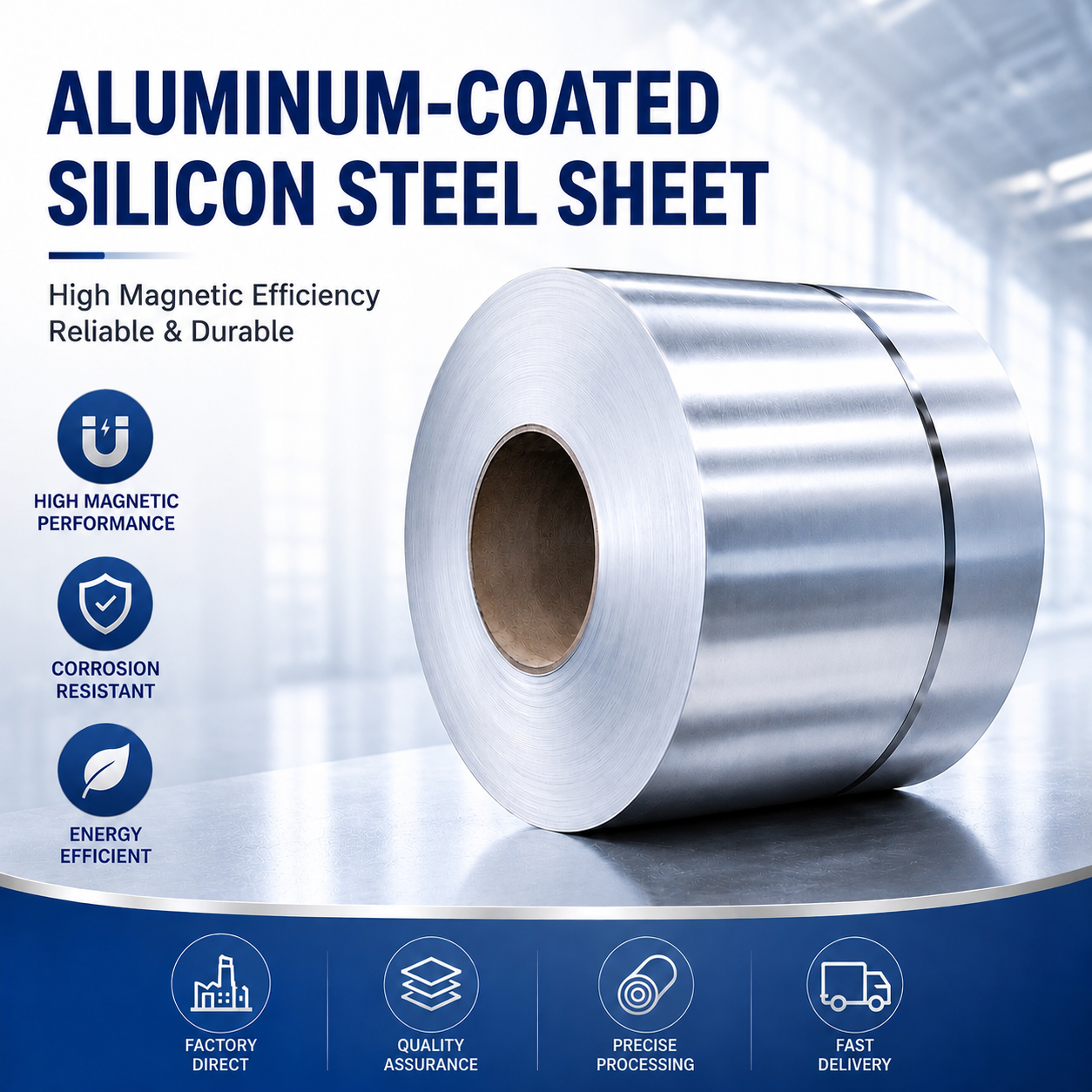
What is ZAM steel and why does it cost more than galvanized?
ZAM is the fastest-growing choice for solar mounting structures, livestock buildings (ammonia exposure), coastal construction and any asset where maintenance access is expensive.
Galvanized vs aluminized vs ZAM: how do they compare side by side?
| Property | Galvanized (GI) | Aluminized (AS) | ZAM (Zn-Al-Mg) |
|---|---|---|---|
| Coating | Zinc | Al-Si alloy (Type 1) | Zn-Al-Mg |
| Max continuous service temp. | ~200°C | 550°C (677°C peak) | ~300°C |
| Corrosion life at equal weight | Baseline | Good in dry heat; weaker at cut edges | Several times GI |
| Cut-edge protection | Good (sacrificial) | Limited | Excellent |
| Scratch behavior | Sacrificial protection | Barrier only | Self-sealing film |
| Relative cost | Lowest | Low–mid | Mid |
| Typical uses | Fencing, tubes, roofing | Exhaust, ovens, heat shields | Solar, livestock, coastal |
Which coating should you choose for your project?
Decision rules that hold up in practice
Fencing, greenhouse frames, cable trays, general fabrication: galvanized, Z120–Z275 depending on atmosphere.
Automotive exhaust, oven and furnace parts, HVAC heat exchangers: aluminized silicon steel to ASTM A463 Type 1.
Solar racks, poultry and livestock sheds, coastal structures: ZAM, where the extra cost is recovered by avoided maintenance.
What standards should you reference when ordering?
Frequently asked questions
- Is ZAM steel worth the price premium over galvanized?
- It depends on exposure and access. In coastal, agricultural or industrial atmospheres, or where maintenance is expensive, ZAM's longer corrosion life usually pays back within the first maintenance cycle. In dry indoor use, galvanized is the better economic choice.
- Can aluminized steel replace stainless steel?
- Below 550°C and in dry heat, often yes — at 30–60% lower material cost. Above 550°C, or in chloride and chemical environments with exposed cut edges, stainless (304/316) remains the correct choice.
- Does a thicker coating always mean longer life?
- Within one system, yes — AS240 and AS300 carry roughly double and triple the coating mass of AS120 and last proportionally longer in salt spray. Across systems it is not comparable: ZAM at the same weight typically outlasts plain zinc.
- What documents come with each shipment?
- Mill test certificates (EN 10204 3.1) matched to heat numbers, plus third-party inspection access (SGS/BV) before loading. Standard samples are free of charge, freight collect.
Related reading
- MESCO galvanized steel (GI) range
- MESCO aluminized steel range
- MESCO Zn-Al-Mg (ZAM) steel range
- FAQ: galvanized vs aluminized vs Galvalume — which to import?
- FAQ: what is ZAM steel and why is it replacing galvanized?
- Blog: how to choose the right aluminized coating weight (AS80–AS300)
- Blog: aluminized steel vs galvanized steel — which to choose?