Aluminized Steel vs. Galvanized Steel: Which Should You Choose?
- Share
- publisher
- Yilia
- Issue Time
- Mar 11,2026
Summary
Compare aluminized silicon steel sheet vs galvanized steel — heat resistance, corrosion protection, cost & applications. Factory guide from MESCO.
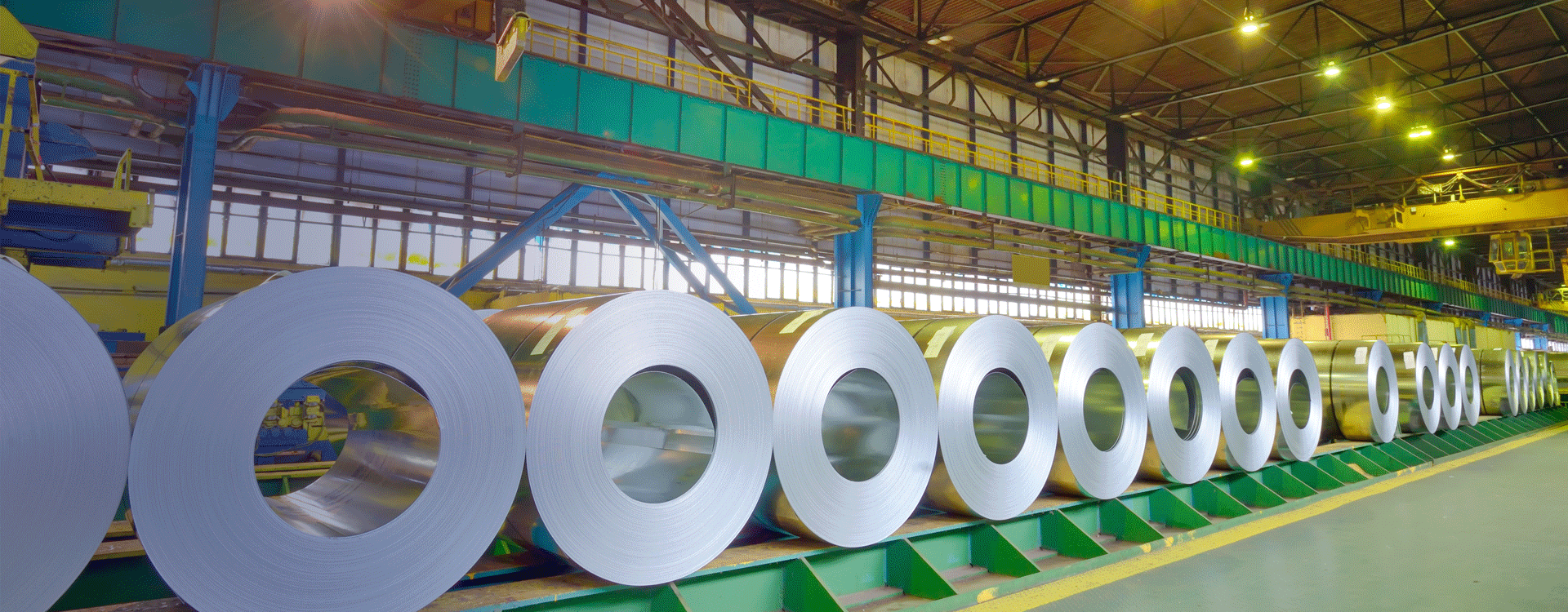
Aluminized steel vs galvanized steel: which should you choose?
Both are carbon steel with a hot-dip metallic coating, and both are supplied as sheet and coil. The difference is what the coating does under heat and how it protects damaged areas. Getting this decision right avoids two expensive failure modes: zinc burning off in service, or paying stainless-steel money for a job aluminized steel can do.
What is aluminized silicon steel sheet made of?
The standard specification is ASTM A463/A463M Type 1. Coating weight is expressed in g/m² total (both surfaces), for example AS80, AS120, AS240 and AS300 — a higher number means a thicker coating and longer corrosion life. MESCO runs a dedicated continuous hot-dip line and dual-certifies to ASTM A463 and EN 10346 where required.
How does galvanized steel protect steel differently?
Zinc's limitation is thermal. Above roughly 200°C the coating begins to degrade, and prolonged exposure above 315°C volatilizes it, exposing bare steel.
Which one handles heat better?
Which one resists corrosion better?
Practical rule: seal or form over cut edges on aluminized parts, and specify heavier coating weights where edges stay exposed outdoors.
How do cost and service life compare?
| Criterion | Aluminized silicon steel (AS) | Galvanized steel (GI) |
|---|---|---|
| Coating | Al-Si alloy (Type 1, ASTM A463) | Zinc (ASTM A653 / EN 10346) |
| Continuous service limit | 550°C (677°C peak) | ~200°C (zinc volatilizes >315°C) |
| Corrosion mechanism | Barrier oxide layer | Barrier + sacrificial protection |
| Cut-edge behavior | Needs edge protection in wet service | Self-protecting |
| Relative cost | Premium over GI, far below stainless | Lowest |
| Best fit | Exhaust, ovens, heat exchangers | Fencing, tubes, roofing, enclosures |
Which applications call for which material?
Can you source both from one factory?
Frequently asked questions
- At what temperature does galvanized steel fail?
- Zinc coating starts degrading above about 200°C and volatilizes with prolonged exposure above 315°C. For any continuous service above 200°C, aluminized silicon steel is the correct choice.
- Is aluminized steel more expensive than galvanized?
- Yes, typically by a coating-cost premium. It remains 30–60% cheaper than stainless steel, which is why it dominates exhaust and appliance applications below 550°C.
- Can aluminized steel be welded?
- It can, but the aluminum-silicon coating burns back at the weld zone, so welds need post-weld protection. Where welding is extensive and corrosion matters, design for coating repair or consider a different material.
- Which coating weight should I order?
- AS80 for dry moderate service, AS120 for exhaust and appliance work, AS240 for outdoor and pipeline jacketing, AS300 for the most severe marine and chemical exposure. See our dedicated coating-weight guide for the full comparison.
Related reading
- MESCO aluminized steel range
- MESCO galvanized steel (GI) range
- Blog: how to choose the right aluminized coating weight (AS80–AS300)
- Blog: galvanized vs aluminized vs ZAM — complete comparison
- Blog: aluminized silicon steel vs stainless steel — 9-dimension comparison
- FAQ: galvanized vs aluminized vs Galvalume — which to import?